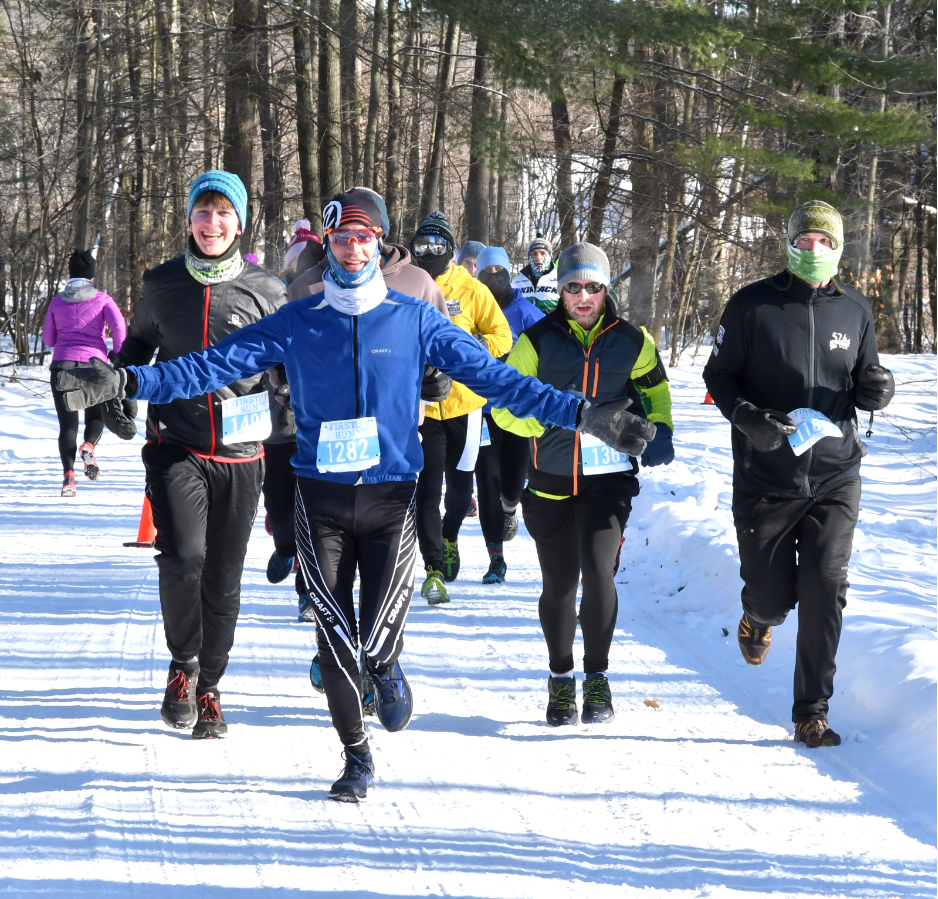
Rdy2Run Marathon Training Program Coach Sam Davis sent out the following email this morning to the athletes that have signed up for his training program for the M&T Bank Vermont City Marathon and, given the cold weather and winter precipitation in the forecast, it was just too useful not to share more broadly.
Hello Runners,
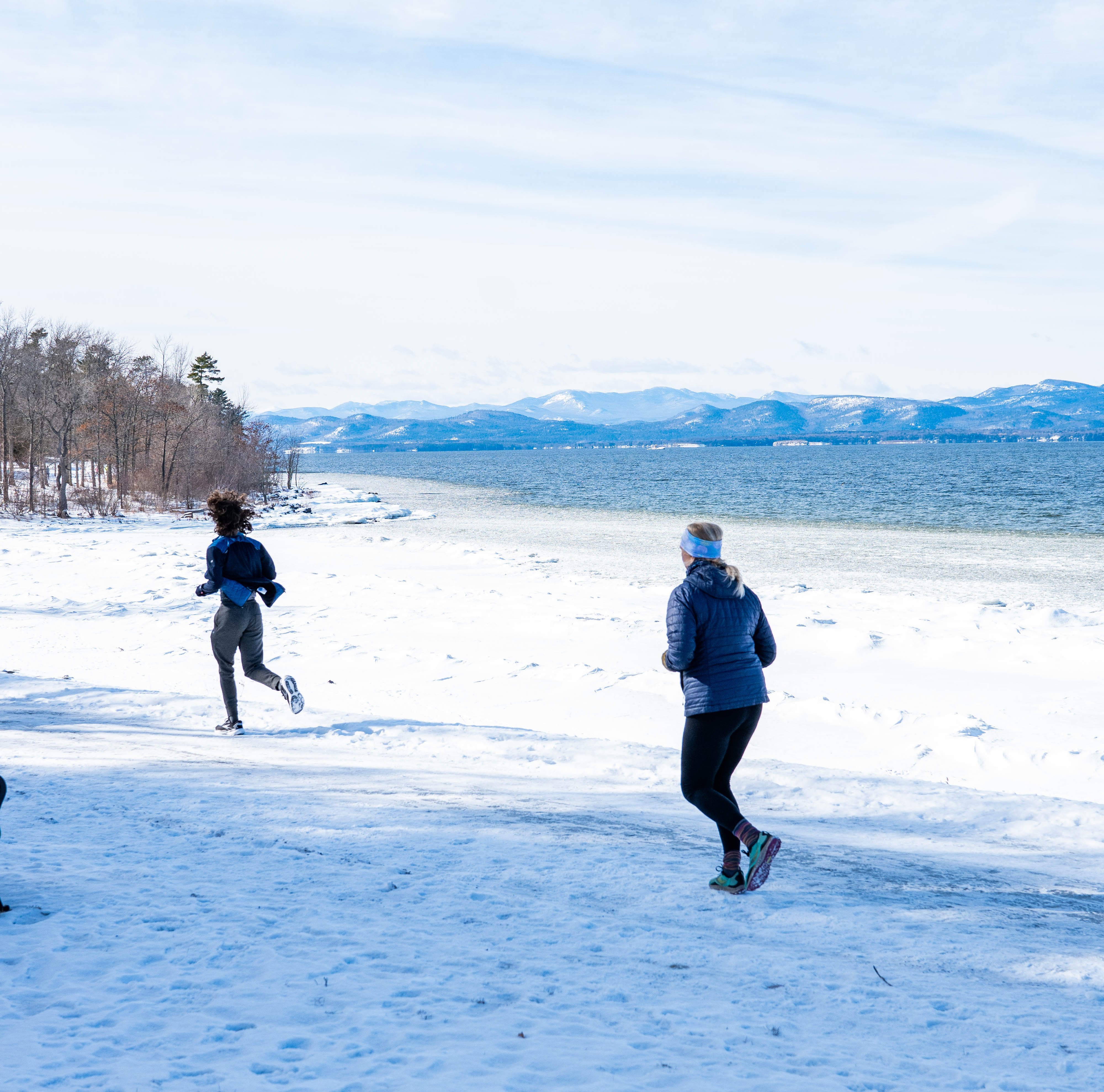
I wanted to reach out as we head into a pretty rough stretch of weather. Over the next few days, temperatures are expected to dip below zero, the windchill will make it feel even colder, and we’re likely to see a significant snowstorm toward the end of the weekend.
I know how tempting it can be to push through and “just get it done,” but in conditions like this, good judgment matters more than grit. No single run is worth putting your health at risk.
Please strongly consider modifying or skipping outdoor runs if the windchill drops below -10°F, if snow or ice makes footing questionable, if visibility is poor due to blowing snow, or if your fingers or toes don’t warm up within the first 10 minutes.
This is a great time to use the treadmill, indoor track, bike, elliptical, strength training, or even a short indoor circuit. Missing one run won’t affect your fitness — getting sick or injured might.
If you do head outside, clothing becomes critical. Dress for wind and exposure, not just the temperature. A good rule of thumb is to dress as if it’s 15–20°F warmer than it actually is, then add wind protection
For your head and face, wear a warm hat or fleece-lined beanie, and consider a neck gaiter or balaclava to cover exposed skin. In extreme cold, covering your mouth can help warm the air you’re breathing.
For your upper body, think layers: a moisture-wicking base layer (no cotton), an insulating mid layer, and a windproof outer layer.
For your hands, mittens are much warmer than gloves. Liner gloves underneath can help, and hand warmers are a good option in extreme cold.
For your lower body, thermal tights or tights paired with windproof pants work well. Knee-high socks can also add warmth.
For your feet, wear wool or thermal socks and shoes with good traction if snow or ice is present. Avoid shoes that are too tight, as restricted circulation makes it harder to stay warm.
If you run outside, adjust expectations. Keep runs shorter — 20 to 40 minutes is plenty. Run by effort, not pace. Avoid long stops outside, stay close to home with out-and-back routes, and if it’s windy, head into the wind first and finish with it at your back.
Please stop immediately if you notice persistent numbness, tingling or burning sensations, dizziness, unusual fatigue, or skin that looks white, gray, or feels hard.
Winter training is about consistency over time, not hero workouts in miserable conditions. Sometimes the smartest training decision is knowing when to take things indoors or adjust the plan.
As always, reach out if you’re unsure what to do or want help modifying your workouts.
Stay safe and stay warm!
Sam
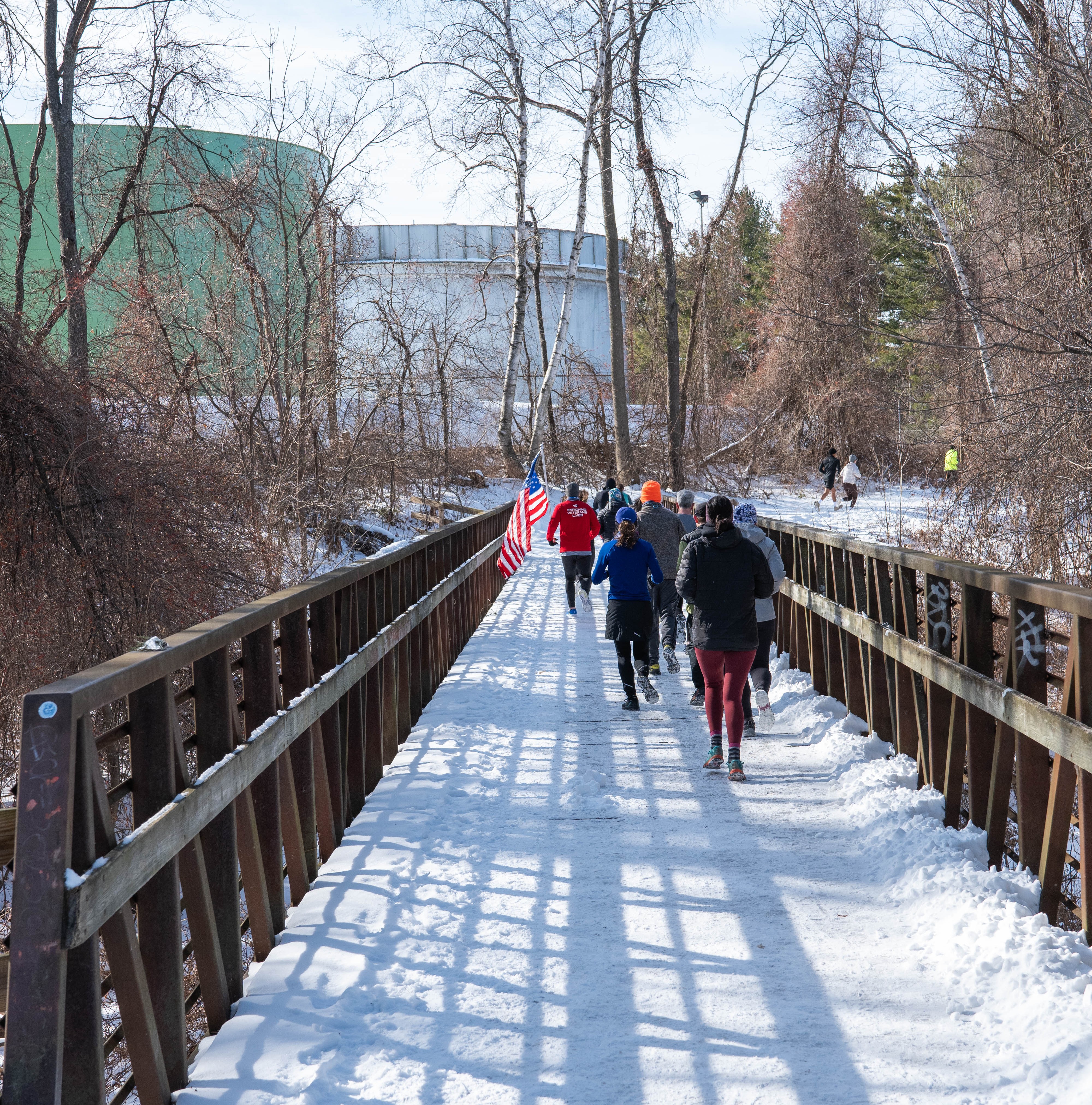
Want tips like this sent right to your inbox? The Rdy2Run Marathon Training Program started this week, but participants can join until February 15. Interested? You'll have the opportunity to sign up for the training program when you register for the M&T Bank Vermont City Marathon. Already registered? You can go back and add the training program now by clicking "manage your registration" on the registration confirmation email or contacting us at registration@runvermont.org.