
As we come up on 10 days out from The Parkway Mile (the shortest race on the longest day!), our minds are on hot days and short(er) runs.
We know that summer in Vermont offers a unique window for athletic growth, especially if one is coming off of a marathon build. While the long, slow miles of spring built our base, the heat of the season invites us to shift gears toward intensity and precision. By integrating structured speed sessions into our weekly routine, we can transform our cardiovascular capacity and sharpen our racing edge.* Whether we are preparing for a local 5K, possibly with a RunVermont training plan, or aiming for a marathon personal record in the fall, track intervals and hill repeats are two ways to reach the next level of performance.
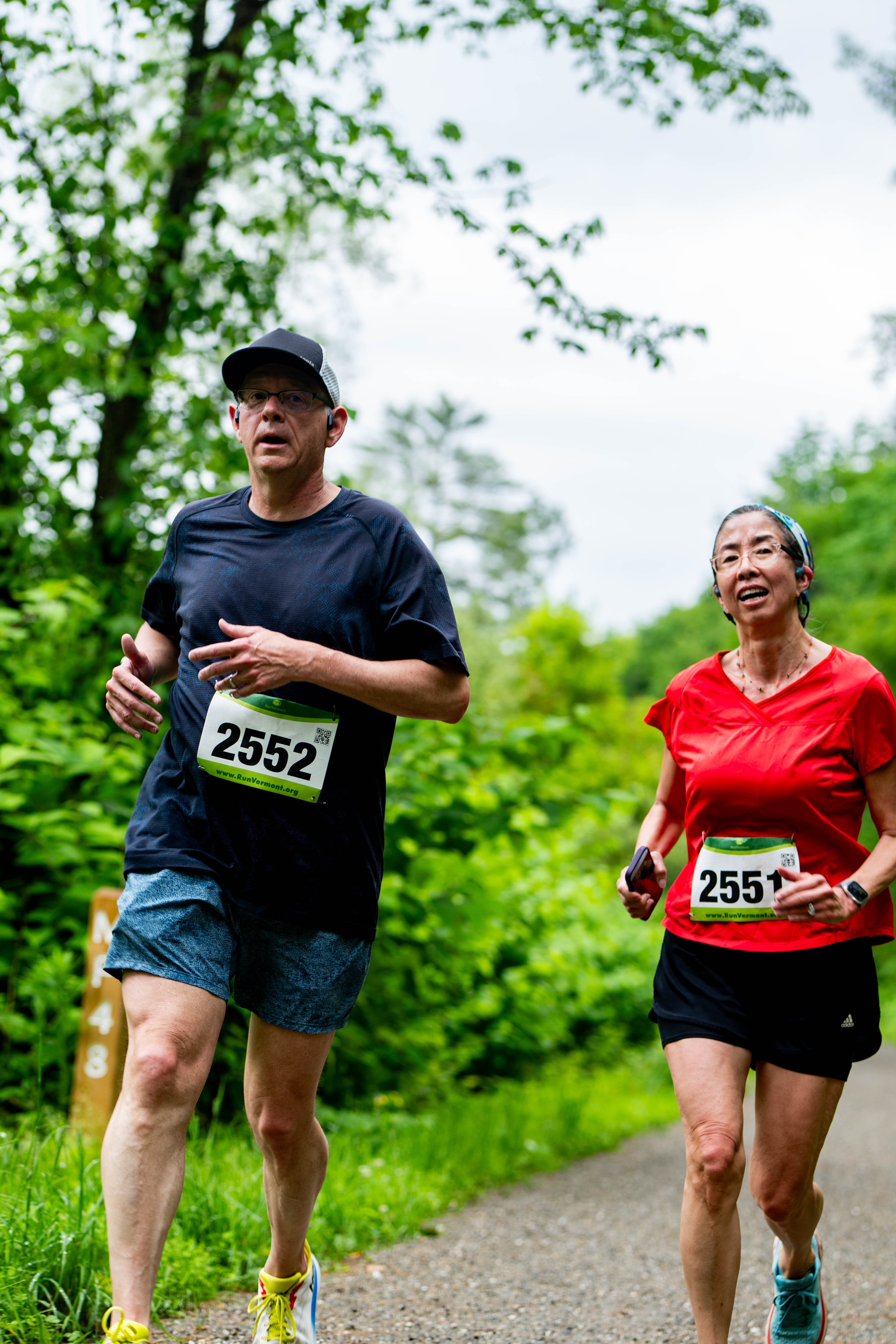
Participants at a 2026 Summer Series Race (PC: Max Baron)
The Precision of the Track
Track sessions offer a controlled environment where we can push our physiological limits without the unpredictability of terrain and constant peaks at the running watch for a distance check. By focusing on consistent pacing and rapid leg turnover, we build the fast-twitch muscle fibers essential for those final miles. Embracing the rhythm of the oval allows us to measure progress with absolute precision and confidence.
Conquering Vermont Hill Repeats
Vermont is famous for its rolling terrain (with Burlington itself being famous for Depot Street, Battery Street, and the slog from Lake Champlain up to the University of Vermont), and we believe hills are simply speed work in disguise. Sprinting up an incline builds explosive power and strengthens the glutes and calves more effectively than flat roads alone. We prioritize these short, intense efforts to improve our running economy and prepare for any local summer race.
Mastering Heat and Recovery
Running in the Green Mountain State during June, July, and August requires a strategic approach to heat management and hydration, in additiona to the rest and recovery that is required year-round. We focus on early morning sessions when the air is crisp and the sun hasn't yet reached its peak. Enhanced recovery, including hydration (and electrolyte replacement) and cooling down in the shade, ensures we stay healthy while chasing those new personal records. For more information on symptoms of heat stroke and heat exhaustion, and how to respond, check out this useful Instagram post from last summer.
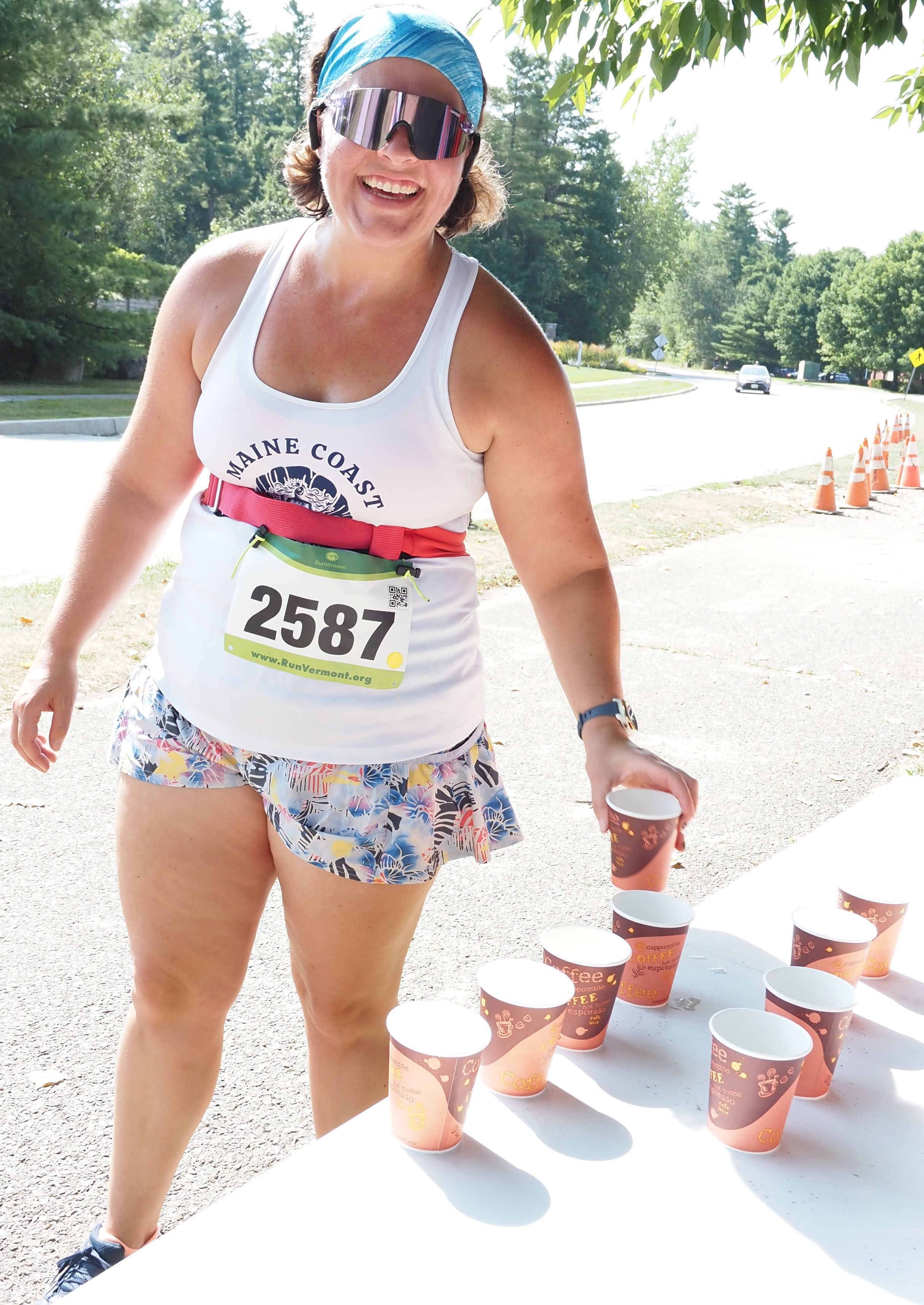
Mid-Race Hydration at a 2026 Summer Series Race (PC: Lee Krohn)
Consistency Through Community
Consistency is the foundation of any successful training block, especially when the lure of summer activities competes for our time. By joining local group workouts (like with Green Mountain Athletic Association (GMAA), Bolters Run Club, Skirack, and Central Vermont Runners (CVR)) and setting clear goals, we maintain the discipline needed to excel. We foster a supportive environment where every runner can find the motivation to keep showing up and improving.
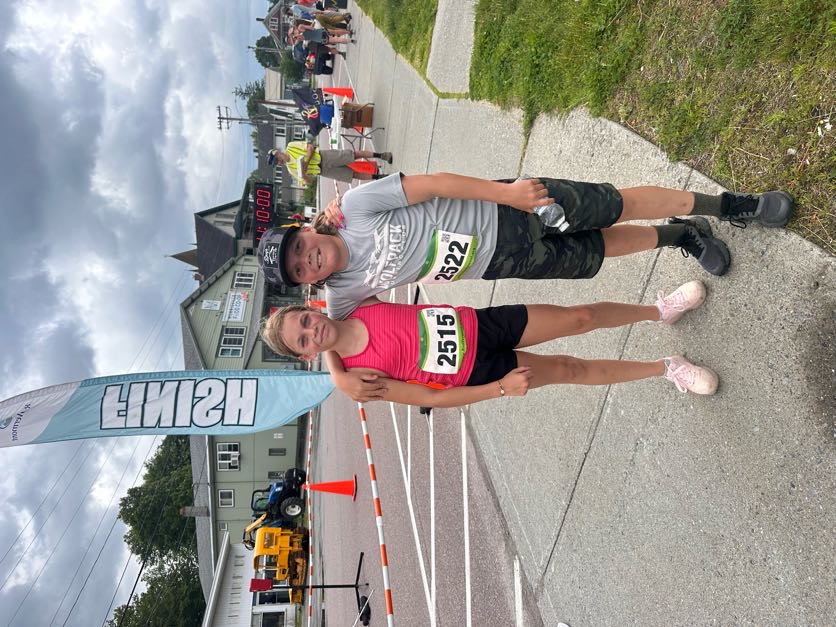
Post-Race Community at a 2026 Summer Series Race (PC: Lauren Miller)
Transitioning into faster summer running requires patience, but the rewards of a dedicated speed block are undeniable. By balancing the technical demands of the track with the raw power of Vermont’s hills, we ensure our fitness continues to climb alongside the summer temperatures. At RunVermont, we are committed to providing resources and events that help our community thrive in every season. We invite you to explore the upcoming Vermont race calendar to put your new speed to the test, or to just get out there and be part of the community.
* Even if your goal isn't to get faster, speed workouts, like track workouts and hill repeats, shake things up (making your daily runs more interesting) and help to make running feel easier, no matter what your desired speed.