
It’s a crisp Sunday morning, 72 degrees, and the sun is playing hide-and-seek behind a few lazy clouds. Not quite peak running weather, but close enough to make you feel alive. One of my favorite Sunday activities is a long run. So, that is what I am doing. The moment my shoes hit the pavement, my legs take over, starting with a slow walk then transitioning to a run, eagerly anticipating the miles ahead. If you are running in Vermont this season, you already know exactly how magical these crisp mornings can be on the trails or roads.
 Moe Solo Running
Whenever I venture out for a run, it’s almost always a solo excursion. The convenience of not needing to coordinate schedules with others is a strong draw. But more than anything, I enjoy the solitude. Out there alone, the static of daily life fades, replaced by the steady drumbeat of breath and footfalls. It’s a moving meditation, a shortcut to that effortless state of flow where the mind finally gets to exhale.
Don’t get me wrong, I do enjoy periodically running with others. The energy and camaraderie of the group can be very motivating and inspiring. But for me, solo running provides the strongest pull. Yet, as much as I enjoy solo running, there are many runners who thrive in a group run setting. Running clubs and groups with weekly group runs seem to be becoming increasingly prevalent. You’ve likely seen them—or perhaps been part of one—out running in a pack, surging forward together, feeding off a shared current of collective energy. Joining local running clubs is actually one of the best running tips if you want to prepare for competitive races in Vermont.
Both approaches offer some appeal. But when weighing the quiet power of solitude against the electric pulse of the pack, is one way superior?
Solo running benefits include:
- Freedom and flexibility. Solo runners can choose their own routes, pace, and schedule without needing to coordinate with anyone else.
- A focus on personal goals. Whether you are training for a PR performance, running for stress relief, or seeking solitude, running solo and away from any potential distractions that can come from the group dynamics can be conducive to placing your focus on these or any other personal goals you may have. If you have ambitious goals for upcoming running races in Vermont, solo runs allow you to tailor your training directly to the course profile.
- Mental clarity and focus. Running alone can be a meditative experience, allowing for introspection and a deeper connection with one's thoughts, senses, and surroundings. Sometimes runners choose to utilize this period of enhanced mental focus listening to music, podcasts, audiobooks, or just enjoying the peace and quiet.
- Personal growth and resilience. Confronting challenging runs alone can build mental toughness, resilience, and self-reliance.
Group running benefits include:
- Motivation and accountability. Running with others can provide a sense of camaraderie, which may help make it easier to stick to a training plan.
- Social interaction and fun. Group runs can be a great way to socialize, make friends, and enjoy the shared experience of running.
- Pushing limits. Running with others, especially those with similar or slightly faster paces, can help runners push their limits and improve performance.
- Safety. Running in groups can enhance safety, especially in areas where solo running might be less secure. If you are exploring unfamiliar or remote trails while running in Vermont, going with a group is an excellent safety measure.
- Learning and inspiration. Group runs can expose runners to new routes, training techniques, and motivational strategies. Swapping running tips with fellow runners is an excellent way to improve your form and discover new paths.
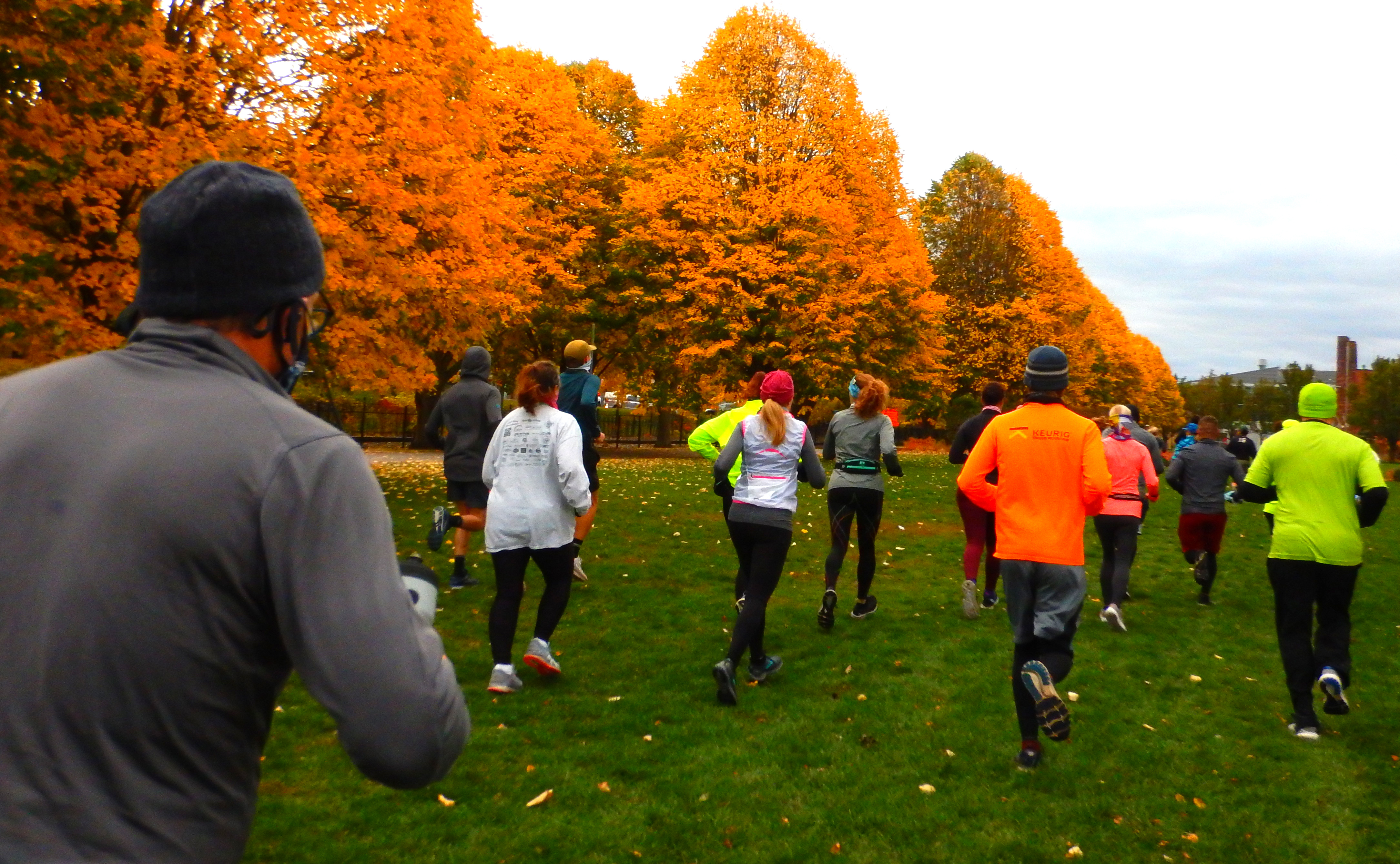 A Group of Runners
Another factor that may affect a person’s preferred training method is personality type. A preference for running solo is a common characteristic of an introverted runner, as introverts typically gain energy and recharge by spending time alone, whereas extroverts are energized by social situations. That said, just because a person runs by themselves, it doesn't mean they are an introvert.
Many extroverted runners may still run by themselves due to personal circumstances, scheduling conflicts, or a desire for focused training. Also, it's important to be aware that introversion and extraversion exist on a spectrum, and many people are what's referred to as ambiverts.
Ambiverts enjoy both solitary and social activities. Some introverts might occasionally enjoy a run with a friend or small group, and some extroverts might enjoy solo runs for specific training purposes.
Conclusion
There is no universal winner in the solo vs. group running debate—only what works best for you and your personal goals. The fun part? You don't have to choose just one forever. Experiment with both, listen to what your mind and body need, and build a routine you love.
Happy Running!